Does a Multi Zone System Take Longer to Install Than a Single Zone? Here’s Why
If you're diving into the world of mini splits, one question that inevitably pops up is: does a multi zone system take longer than a single zone? It’s an important consideration because installation time affects both your schedule and budget. But beyond the clock, there are aesthetic, technical, and practical factors that make installing a multi zone system more complex — and fascinating — than a single zone setup.
Let’s unpack this by looking closely at the difference between multi zone vs single zone installs, focusing on themes like true DIY vs not-really-DIY mini splits, the critical placement of air handlers as decor decisions, the strategy behind multiple line sets and their impact on leak risk, and mixing different air handler types on one condenser.
Multi Zone vs Single Zone: What’s the Difference?
Before diving deeper, it helps to define the two:
- Single Zone: One outdoor condenser unit connected to one indoor air handler, servicing a single room or area.
- Multi Zone: One outdoor condenser unit connected to multiple indoor air handlers, which can be placed in different rooms or zones.
At surface level, a multi zone system sounds like a scaling-up of a single zone — add more indoor units, and you’re done, right? Not quite. The devil’s in the details, especially with multiple line sets, added complexity in refrigerant routing, and longer installation times.
True DIY vs Not-Really-DIY: Why It Matters in the Multi Zone Game
Many brands, such as MRCOOL and Pioneer, promote their mini splits as DIY-friendly. This is usually true for single zones because the installation involves just one indoor unit, one line set, and a relatively straightforward electrical hook-up. But, multi zones muddy the waters.
If you own an older home with plaster walls and original trim—trust me, I’ve helped friends navigate these nuances—you know how crucial clean line placement is. More line sets mean more opportunities for error, and without the right experience, you might seal yourself into a corner with an awkward, visible condensate line or refrigerant piping that ruins your carefully crafted gallery wall.
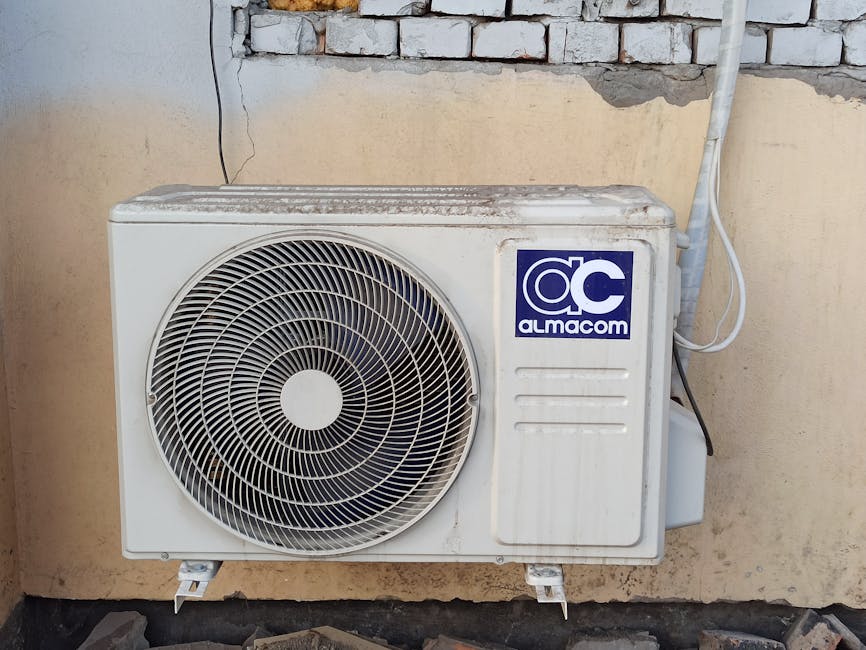
Why Multi Zones Are Sometimes Not-Quite-DIY
While tools like the Zone Air Build Your Own tool make it easier to plan your system online, designing a multi zone setup often requires a licensed HVAC professional for the actual installation.
- Electrical code: Multi zone systems usually need more complex wiring, and local codes frequently require professional installation.
- Line set coiling and couplers: With multiple lines, managing refrigerant flow becomes crucial. Incorrect coiling or coupling can cause leaks.
- Refrigerant handling: Handling multiple connections on a condenser increases the risk of leaks or pressure issues.
DIYers who overstate their ability here risk costly callbacks or even voiding warranties.
The Aesthetic Challenge: Placing Air Handlers as Decor Decisions
Think of air handlers like artwork in your rooms. Their position affects both function and aesthetics. With a multi zone system, the balancing act gets trickier.
For single zones, you’ve knockoffdecor.com got one spot to consider for the head—a wall or ceiling location where airflow won’t blast your favorite reading chair or TV glare. For multiple handlers, you essentially design several “mini installations” that need harmony with the room’s style and practical flow of air.
Pro Tips for Multi Zone Handler Placement
- Use cardboard cutouts to simulate the wall footprint of each air handler. This helps you visualize spacing without drilling holes prematurely.
- Consider sightlines—will clients or guests see the line hide from outdoor areas, like a patio? A poorly planned outside run can ruin curb appeal.
- Pick different air handler types (wall-mounted, ceiling cassette, floor ducts) thoughtfully to blend with your room’s function and style.
Line Set Strategy and Leak Risk: The Installation Time Factor
Multiple line sets mean more copper tubing, more connections, and more potential trouble spots. Companies like Zone Air offer systems designed to make this easier, especially with innovative quick connect fittings that simplify the joining of line sets.
But even with the best tools, each additional line set adds a chunk of installation time:
Installation Task Single Zone Multi Zone (3 zones) Indoor air handler mount 1 hour 3 hours Line set routing and sealing 2 hours 6 hours Electrical wiring and hookups 1 hour 3 hours Pressure testing and leak inspection 30 minutes 1.5 hours Total Estimated Time 4.5 hours 13.5 hoursLonger installation times aren’t just about labor; they directly connect to the risk of leaks or damage. Proper coiling of the multiple line sets, use of high-quality couplers, and ensuring leak-tight seals need time and patience.
Mixing Air Handler Types on One Condenser: What You Need to Know
One of the creative freedoms with multi zone mini splits is mixing and matching indoor air handler types on a single outdoor condenser. A family room might have a ceiling cassette, bedrooms get sleek wall-mounted units, and the basement uses a floor ducted option.
Brands like MRCOOL are especially flexible here, but the catch is ensuring the chosen condenser supports a balanced load and compatible refrigerant flow for all indoor units.
From an installation standpoint, mixing types adds complexity because each handler might have different line set length requirements, drain setups, and mounting challenges. This can add to your installation time, especially if you’re handling it solo.
Decor and Mechanical Integration Tips
- Plan early — use tools like the Zone Air Build Your Own tool to map your mechanical dream team before buying or installing.
- Think about line set routing for each handler, especially in older homes. Original trims or plaster walls require care not to damage character elements.
- Remember quick connect fittings where possible—they speed up line set connections and reduce leak risks.
Wrapping Up: Does Multi Zone Take Longer? Absolutely — But It’s Worth It
The quick answer to does a multi zone system take longer than a single zone is yes, it absolutely does. Multiple line sets, longer electrical runs, complex refrigerant handling, and the challenge of aesthetic placement all add time and require skilled handling.

Brands like Zone Air, MRCOOL, and Pioneer have made great strides in simplifying mini split installations, catering to both true DIYers and pros. But keep in mind—even with tools like the Zone Air Build Your Own tool or quick connect fittings—the higher stakes and complexity with multi zone systems mean you or your installer need the right preparation, tools, and patience.
Most importantly, think of the mini split installation as both a mechanical and design project. Strategize the line set routing carefully to avoid leaks and ugly line hides, choose air handler placement to complement your decor, and never underestimate the value of upfront planning to save time and headaches later.
Need help planning your multi zone setup? Don’t hesitate to create cardboard cutouts and walk your walls with potential placements. And always keep the view from your patio in mind—that’s where line hides really get judged.
Happy installing!