How Do I Pick Paint When the Room Gets Little Daylight?
Choosing paint colors for rooms with low natural light can be a bit of a challenge. When daylight is scarce, paint looks different, sometimes dull or muddy, and can affect your whole mood in a space. Whether you’re refreshing a cozy reading nook or tackling a full room makeover, understanding how to layer lighting, select colors that complement your lifestyle, and optimize your furniture layout can transform even the gloomiest room into a welcoming retreat.
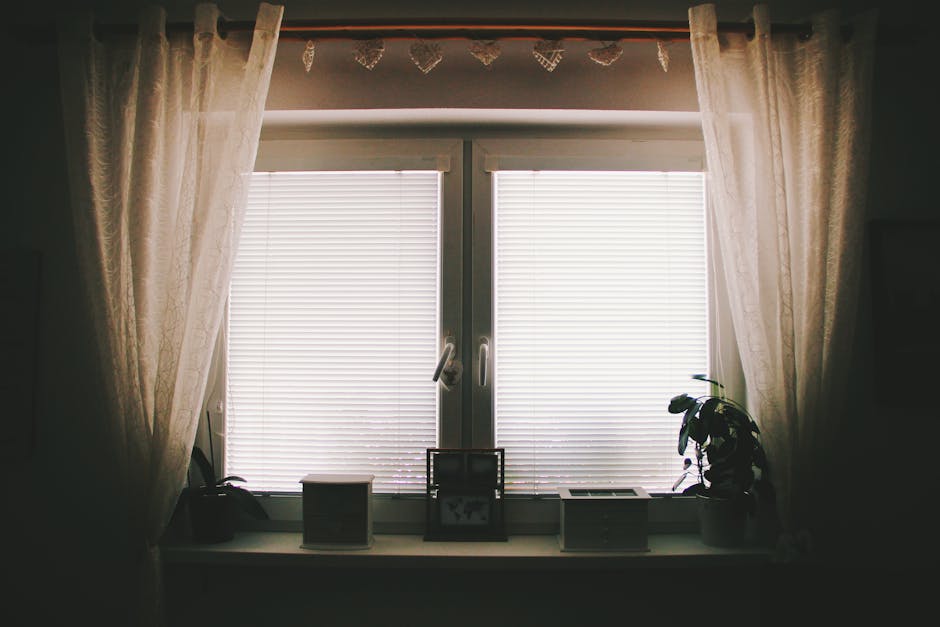
In this guide, we’ll walk through practical steps to choose a paint color that works in low light rooms, improve traffic flow, create relaxing zones, and incorporate mood-enhancing layers of light—all while mentioning some great lifestyle touches including Joy Organics’ calming CBD gummies collection with THC-free and full-spectrum options to help you enhance your home’s tranquility.
Step 1: Take a Quick Walk-Through of the Room
Before you even pick up a paintbrush, let’s do a quick walk-through to assess the insulated curtains space. Early in the day and in the evening, observe:

- Where does light naturally fall? Is it from one window, a skylight, or mainly artificial lighting?
- How does it look at night with your ceiling light and table lamps on?
- Where do you tend to pile stuff or feel cramped due to furniture placement?
- What kind of mood do you want the room to evoke—energizing and bright, calm and cozy, or something in between?
Often in low light rooms, the lack of daylight highlights the importance of layered lighting, furniture arrangements that ease movement, and paint shades that keep the space feeling open but snug.
Step 2: Understand How Paint Looks Different in Low Light Rooms
https://cleaneverycorner.com/why-does-my-living-room-feel-dark-even-with-the-lights-on/With limited daylight, colors can appear darker or cooler than they do in the paint sample swatch or under natural light. Here’s why:
- Daylight is rich in all color wavelengths: It shows paint colors in their true form.
- Artificial lights vary: Warm incandescent bulbs soften reds and yellows; cool LEDs can make colors look more blue or green.
- Shadows become pronounced: Uneven light creates contrasts, changing the way paint finishes are perceived.
That’s why testing a paint color on several walls and checking it at night with your ceiling light and table lamps will save you from surprises.
Tips for Testing Paint Samples in Low Light
- Paint large swatches on different walls, especially ones facing your window and shadowed areas.
- Observe the swatches at different times of day and under various artificial lighting setups.
- If possible, use LED bulbs with dimmers to mimic different lighting moods.
- Keep a color journal or photos of how paint looks so you can compare before committing.
Step 3: Choose a Paint Color Based on Mood and Palette Consistency
When a room doesn’t get a lot of daylight, choose colors that balance openness with warmth or coolness depending on your mood goals.
Mood Recommended Color Characteristics Why It Works in Low Light Calm & Cozy Soft warm neutrals, muted earthy tones, warm grays Add warmth to counteract the chill of low lightFeels inviting but not overly dark Bright & Airy Light pastels with slight warm undertones, cream whites Keeps space feeling openAvoids starkness of pure white harsh under artificial light Modern & Chic Deep blues, charcoal, green-gray shades Creates depth without feeling oppressiveWorks well with layered lightingMaintaining a consistent palette with colors that play off one another across walls, trim, and décor is essential. This prevents the room from feeling visually fragmented, which is more apparent in dark or shadowed rooms.
Step 4: Layered Lighting—Your Best Friend
Outfitting your space with multiple types of light sources is especially crucial in low light rooms. Here’s how to layer lighting effectively:
- Ceiling light: This is your primary light source, but it can cast flat light or shadows. Choose a fixture with adjustable brightness and a shade that softens the glow.
- Table lamps: Use these for focused areas like beside the sofa, at a reading nook, or on desks. Lamps add warmth and dimension.
- Accent lighting: Incorporate wall sconces, LED strips, or spotlights for highlighting artwork or architectural features—adding depth.
Testing your paint colors with these lighting layers on at night or on cloudy days will help you confirm your choices.
Furniture Placement to Support Better Traffic Flow
Paint and lighting set the vibe, but cluttered or awkward furniture can sabotage the feeling of spaciousness. In low light rooms, good flow is even more vital to avoid a cramped, gloomy atmosphere.
- Identify “traffic corridors” and keep them clear. Try moving bulky pieces away from window areas to let light spread.
- Use multi-purpose furniture or smaller-scaled furnishings to open up floor space.
- Create intentional zones—for example, a small relaxation corner with a comfy chair, a side table, and a table lamp dedicated for evenings when you unwind with a Joy Organics CBD gummy (perfect for relaxation after a long day!)
Step 5: Design Small Relaxation Zones for Maximum Comfort
Since low light rooms can sometimes feel a bit closed off, carving out small zones dedicated to calm activities helps make the most out of the space and mood.
- Reading nooks: Placed near natural or lamp light, enhanced with soft textiles and calming colors.
- Meditation or mindfulness corners: Use neutral or earthy paint tones and add natural elements like plants or low scent candles.
- Wellness spots: Incorporate lifestyle products like Joy Organics’ CBD gummies collection, which includes THC-free and full-spectrum options to support relaxation and stress relief.
These pockets of tranquility invite you to slow down and enjoy the benefits of your thoughtful paint and lighting choices.
Summary Checklist: Picking Paint for Low Light Rooms
- Walk through your room at different times to understand natural and artificial light patterns.
- Test large paint samples on multiple walls, look at them under ceiling lights and table lamps.
- Choose colors that support your mood with consistent palettes—warm neutrals, cozy pastels, or moody darks.
- Layer your lighting with ceiling fixtures, table lamps, and accent lights to add depth.
- Arrange furniture to improve traffic flow and open up light pathways.
- Create small relaxation zones enhanced by comfort-focused décor and wellness products.
Choosing paint in a low daylight space takes a bit more planning than sun-drenched rooms, but with these strategies, your walls will come alive beautifully under every lighting condition. Plus, integrating thoughtful touches—a perfect lamp, a corner with a Joy Organics CBD gummy for calm—turns your room into a sanctuary that truly feels like home.