How Many Indoor Heads Can One Outdoor Mini Split Condenser Run?
If you’re considering installing a multi-zone mini split system, you’re probably wondering how many indoor heads one outdoor condenser can support. This is a common question homeowners have when upgrading to more efficient, flexible HVAC solutions. Whether you’re looking at brands like Zone Air, MrCool, or Senville, understanding the multi-zone condenser capabilities, the importance of true DIY features, and efficiency ratings like SEER2 and HSPF2 will help you make an informed choice.
What Is a Multi-Zone Mini Split System?
Want to know something interesting? a multi-zone mini split includes one outdoor condenser unit connected to multiple indoor air handlers. Typically, these systems support anywhere from 2 to 6 zones, allowing tailored temperature control for individual rooms or areas—saving energy and increasing comfort.

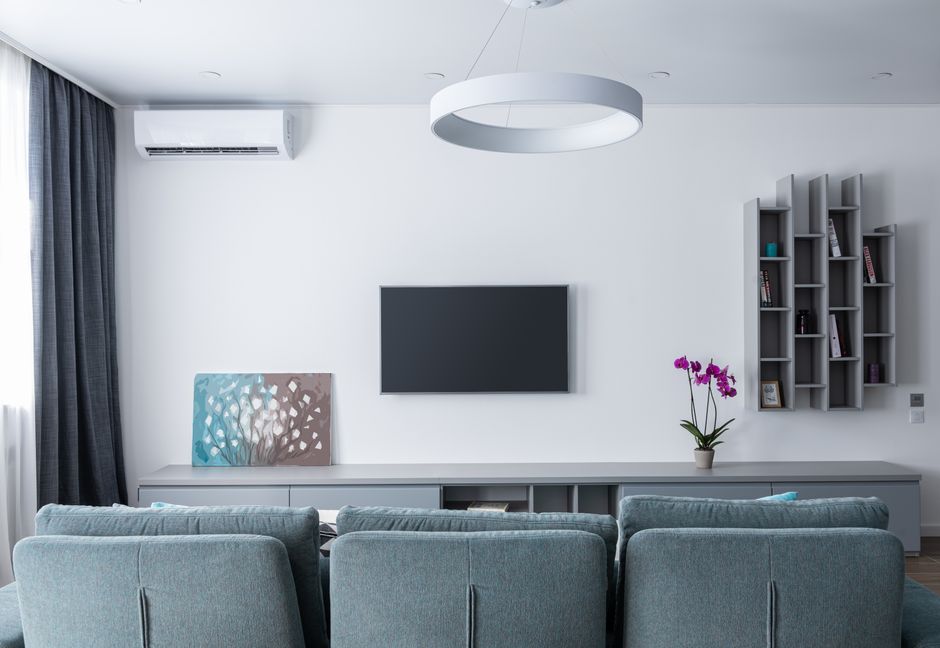
Why Choose Multi-Zone?
- Personalized climate for different rooms
- Energy-efficient operation compared to traditional central HVAC
- Flexibility with zoning and installation options
How Many Indoor Heads Can One Outdoor Condenser Run?
The short answer: It varies by manufacturer and model, but typically one outdoor condenser can run anywhere between 2 and 6 indoor heads.
Brand Typical Multi-Zone Range Indoor Air Handler Options Zone Air 2 to 4 zones Wall-mounted, ducted, ceiling cassette MrCool 2 to 6 zones Wall-mounted, floor units, multi-directional cassettes Senville 2 to 4 zones Wall-mounted, low-profile, ductedAlways check the specifications of the outdoor condenser to confirm the maximum number of compatible indoor air handlers. Oversizing your system (too many heads on one condenser) can reduce efficiency and performance.
True DIY Definition in Mini Splits
“DIY mini splits” are growing popular because they allow homeowners to install HVAC systems without professional HVAC experience or costly service calls. However, there’s a crucial distinction between traditional mini splits and true DIY systems.
What Does "True DIY" Mean?
- Pre-charged Quick-Connect Line Sets: These systems come with factory-sealed refrigerant lines that connect using quick-disconnect fittings—no need to tap or flare copper and no refrigerant charging required.
- No Refrigerant Gauges Needed: Because the refrigerant is pre-charged and sealed, homeowners can avoid using refrigerant gauges, which require skill and equipment.
- No Vacuum Pump Necessary: Traditional flare mini splits need vacuum pumping to remove air/moisture prior to activating refrigerant flow—true DIY systems eliminate this step.
Brands like MrCool have pioneered this approach by providing quick connect technology that anyone handy can install. This contrasts with some Zone Air and Senville models that still require traditional refrigerant servicing tools depending on the line set type.
Pre-Charged Quick Connect Line Sets Explained
Pre-charged quick connect line sets simplify mini split installation by coming pre-filled with the correct amount of refrigerant for the specified length. The copper lines have specialized fittings that snap together securely without leaks or the need for flaring.
- Minimizes risk of refrigerant leakage
- Reduces installation time and labor cost
- Enables true DIY for homeowners without refrigerant certifications
This is a game-changer for those wanting to DIY multiple indoor air handlers on one outdoor condenser without complex vacuum pumps and gauges.
Efficiency Metrics: SEER2 and HSPF2
Efficiency is one of the major reasons mini splits are attractive. Two key metrics have been updated recently to SEER2 and HSPF2, reflecting new testing standards that better measure real-world performance.
Metric Definition Importance SEER2 (Seasonal Energy Efficiency Ratio 2) Updated cooling efficiency rating incorporating new test methods Indicates how efficiently the unit cools over a season HSPF2 (Heating Seasonal Performance Factor 2) Updated heating efficiency rating under revised test procedures Reflects heating performance and energy use in cold weatherWhen evaluating multi-zone condensers, look for models boasting high SEER2 and HSPF2 ratings to maximize year-round energy savings. Brands like MrCool, Senville, and Zone Air offer competitive options in Find out more these efficiency classes.
Cold-Weather Heating Reality Checks
Many homeowners assume mini splits excel everywhere—but cold-weather performance varies. It’s important to understand a few reality checks:
- Heating Capacity Drops Low Temps: At very low outdoor temps (below 5°F, for example), some mini splits reduce heating output, relying on electric resistance backup or supplemental heat.
- Model Selection Matters: Multi-zone condensers designed with inverter technology and enhanced low ambient controls (like MrCool’s Cold Climate Series) perform better in cold weather.
- Indoor Distribution: When running several indoor air handlers, consider that heat distribution efficiency can vary, so sizing and zoning must be carefully balanced.
If you live in https://daisydustmaid.com/why-do-people-say-a-bigger-condenser-is-not-always-better/ a cold climate, consult manufacturer cold weather ratings and expert advice before choosing the number of indoor heads on a multi-zone condenser.
Summary: Choosing the Right Number of Indoor Heads for Your Mini Split Multi-Zone Condenser
- Verify your chosen outdoor condenser supports the desired number of indoor air handlers (usually 2 to 6 zones).
- Consider going with a true DIY system featuring pre-charged quick connect line sets for easier installation—MrCool leads this segment.
- Check updated efficiency ratings like SEER2 and HSPF2 to ensure energy savings and adequate heating/cooling performance.
- Evaluate your climate conditions and pick a cold-weather rated system if needed.
- Understand that running maximum zones can strain the system, so sometimes fewer heads or multiple condensers are recommended.
Whether you choose Zone Air, MrCool, or Senville, knowing how many indoor heads your outdoor mini split condenser can support—and what tools are required for installation—helps you plan a more effective, efficient home climate control system.
Additional Resources
- MrCool Official DIY Mini Split Systems
- Zone Air Product Catalog
- Senville Multi-Zone HVAC Options
Installing a multi-zone mini split is a great way to increase home comfort and reduce energy bills. With the right knowledge on multi-zone condensers, indoor air handlers, and DIY installation tools, your project will be both successful and rewarding.
```