What Ergonomic Upgrades Make the Biggest Difference at Work?
In today's evolving workplace environment, where hybrid work models and employee well-being priorities converge, ergonomic office furniture and thoughtful office design are no longer a luxury—they are a necessity. Companies like Lum Chang Brandsbridge have led the charge in integrating ergonomic principles with practical workspace upgrades, ensuring staff remain comfortable, productive, and engaged amidst changing work expectations.

Why Ergonomic Upgrades Are Critical in Modern Offices
The Harvard Business Review highlights that poor desk setup comfort and ineffective chair and desk posture not only affect employee health but also productivity and engagement. With the rise of hybrid work—combining remote and on-site schedules—workplaces must evolve to support diverse work styles and prevent musculoskeletal issues.
Ergonomic upgrades help employees avoid fatigue, reduce risk of long-term injuries, and boost concentration by creating environments tuned to natural human movements and workflows. Below, we dissect the most impactful ergonomic improvements that companies can implement to reap these benefits.
Hybrid Work and Changing Expectations
The hybrid work trend has shifted how office space is used and how employees approach their workday. No longer is the office solely a place for 8-hour stretches; instead, employees expect flexibility for focused work, collaboration, and quick on-site interactions.
This shift demands ergonomic solutions that accommodate short-term work stints as well as longer, deep-focus sessions—with furniture and layouts agile enough to support both.
Key Considerations for Hybrid Work Ergonomics
- Adjustability: Workstations must support different body sizes and postures to welcome occasional users seamlessly.
- Grab-and-Go Comfort: For transient employees or hot-desking arrangements, desk setups must be easy to personalize and comfortable immediately.
- Health Monitoring: Incorporating tools or reminders to change posture or take micro-interactions improves long-term well-being.
Ergonomic office furniture like height-adjustable desks and dynamic seating options are critical in meeting these new expectations.
Flexible Layouts and Multi-Purpose Zones
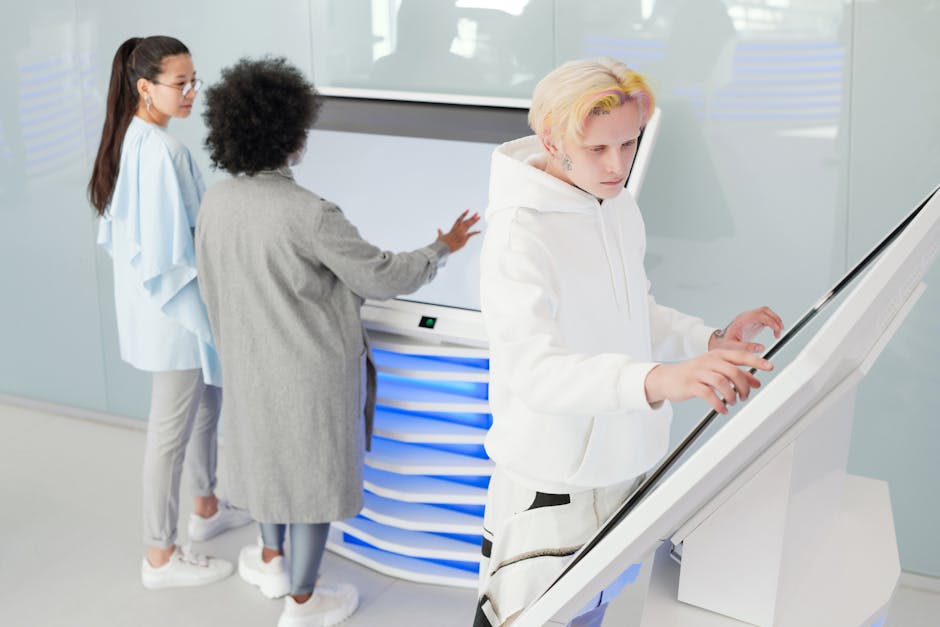
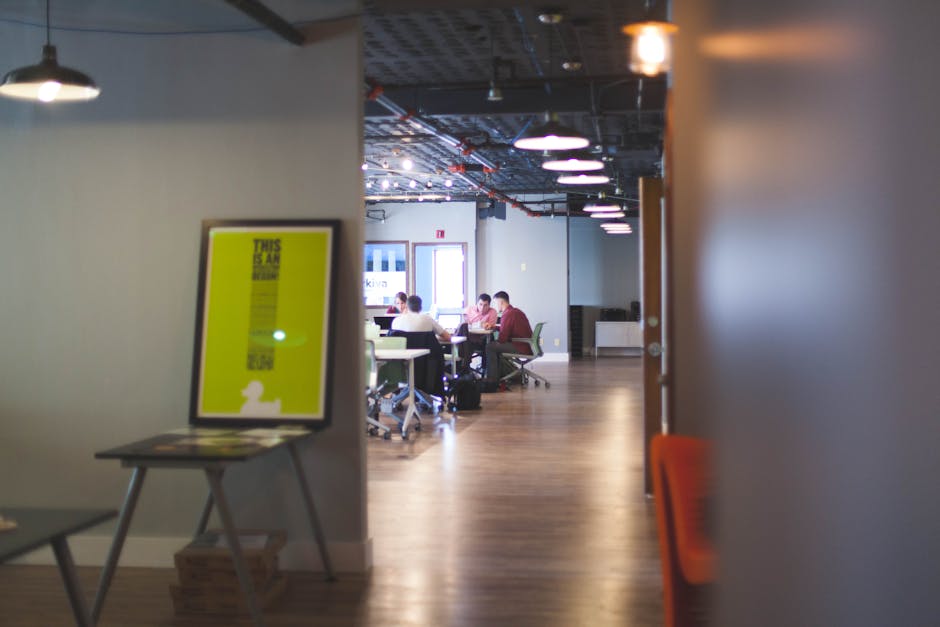
The companies pioneering office developments, like Lum Chang Brandsbridge, emphasize flexible environments that seamlessly accommodate shifting needs throughout the day. Rather than a rigid cubicle farm, dynamic zones enable employees to move from collaborative meetings to quiet focused work without strain or inconvenience.
Examples of Effective Layout Features:
- Modular Furniture: Desks and seating that can be easily reconfigured support tasks ranging from solo concentration projects to group brainstorming.
- Multi-Purpose Areas: Spaces that serve both social and work functions reduce unnecessary movement and allow quick mental resets.
- Integrated Ergonomics: Designing zones with built-in ergonomic furniture ensures employees never compromise on desk setup comfort despite rapid layout changes.
Flexible layouts are only valuable if underpinned by ergonomic consistency. For example, whether an employee works at a standing desk in a focus room or in a lounge area with supportive chairs, the posture opportunities follow this link must remain healthy and comfortable.
Design Based on Real Workflows
Too often, office designs are based on assumptions rather than observed behavior. The Harvard Business Review’s research underscores the value of analyzing actual workflows to optimize furniture and spatial arrangements for authentic employee needs.
Applying this principle means:
- Mapping workflow patterns to identify high-use paths and areas needing ergonomic attention;
- Ensuring desks and chairs match the type and duration of tasks employees perform;
- Allowing easy adjustment between sitting and standing postures depending on workflow demands;
- Tailoring ergonomic features to different departments or roles, respecting specific comfort needs.
Such data-driven design leads to offices where every element—from chair lumbar support to desk height—is purpose-built from workflow insight, driving sustained comfort.
Balancing Collaboration and Privacy
A major challenge in ergonomic office upgrades is accommodating both collaboration and privacy without sacrificing comfort. Employees need spaces that support seamless team interactions but also zones that allow focus without distractions.
How Ergonomics Supports This Balance:
Space Type Ergonomic Features Benefit Collaborative Areas Comfortable, adjustable chairs; height-adjustable tables; movable partitions Encourages engagement with physical comfort and customizability Quiet Focus Zones Ergonomic task chairs with strong lumbar support; adjustable desk setup with proper monitor placement; noise-mitigating materials Promotes sustained concentration with optimal posture and fewer distractions Hybrid Spaces Multi-functional furniture; easy transitions between sitting and standing; personal storage for ergonomic aids Supports flexible workflow and comfortable posture throughout the dayProviding office space planning services choice with ergonomic furniture options ensures employees can self-select their ideal work setting, enhancing both collaboration and privacy without forcing posture compromises.
Top Ergonomic Upgrades for Maximum Impact
To summarize, the following ergonomic office furniture and setup enhancements make the most significant difference in modern workplaces:
- Height-Adjustable Desks: Facilitate movement between sitting and standing postures, reducing strain and improving circulation.
- Ergonomic Task Chairs: Support natural spinal alignment with adjustable lumbar support, seat depth, and armrests.
- Monitor Arms and Screen Stands: Enable eye-level positioning to prevent neck and shoulder tension.
- Keyboard and Mouse Placement: Ensure wrists remain neutral, preventing repetitive strain injuries.
- Footrests and Anti-Fatigue Mats: Provide lower-body comfort during prolonged standing or sitting.
- Flexible Furniture Modules: Support dynamic workspace reconfiguration, aligned with real workflows.
- Acoustic Panels and Privacy Screens: Reduce noise distractions and visually define work zones for ergonomic focus.
Conclusion
Implementing ergonomic office furniture and smart design upgrades is essential for companies aiming to thrive in the hybrid work era. The practical insights shared by industry leaders such as Lum Chang Brandsbridge, combined with research from trusted publications like Harvard Business Review, illuminate how investing in desk setup comfort and chair and desk posture benefits not only employee health but overall organizational effectiveness.
Balancing flexible layouts with ergonomic consistency, designing workflows around authentic employee movements, and providing options to balance collaboration with privacy are the cornerstones of successful workplace ergonomics today.
By prioritizing these upgrades, businesses create work environments where people feel supported, empowered, and ready to perform their best.