Zone Air 36K 3-Zone SEER2 24: Is It Really Enough for 1,800 Sq Ft?
If you’re shopping around for a multi zone heat pump system to cover your well-insulated 1,800 square foot home, you probably came across the Zone Air 36K 3-zone SEER2 24 setup. It promises three 12,000 BTU indoor wall-mount heads paired with a 36,000 BTU outdoor unit—sounds like a good fit on paper, right? But does the math hold up in real life? Let’s break down whether this unit can truly deliver the comfort you need without overspending or running into installation headaches.
What Does “True DIY” Mean With Multi-Zone Heat Pumps?
The rise of DIY-friendly ductless mini-splits from brands like Zone Air, MRCOOL, and Pioneer has made many homeowners hopeful that they can install these themselves and save thousands on labor. mini split for garage heating But here’s the kicker: “DIY” means different things across brands and models, and the fine print matters:
- Pre-charged Quick-Connect Linesets: "True DIY" systems come with refrigerant lines pre-charged and equipped with quick-connect fittings. This means no vacuum pump or refrigerant recovery equipment is necessary—you simply connect the indoor heads to the outdoor unit with minimal tools. Zone Air and MRCOOL typically offer these, making installs more approachable.
- Tools Required: Even a “true DIY” needs basic plumbing and electrical tools—drill with a 3 inch hole saw or core bit to run the lines through walls, a level for mounting indoor heads, a screwdriver, and possibly a multimeter for electrical setup.
- Limitations: Don’t be fooled by marketing—some brands call their units DIY but still require household-level vacuuming and flaring, which most homeowners can’t do properly. Also, there’s the electrical permit and inspection side of things to consider. If you’re on 230V for your outdoor unit, this might add electrician and permit costs you didn’t initially budget for.
Multi Zone Capacity: Is 36,000 BTU Coverage Enough for 1,800 Sq Ft?
Now, the heart of the question. The Zone Air 36K system with three 12,000 BTU heads sounds like perfect math: 3 zones × 12,000 BTU = 36,000 BTU total capacity. But how does this translate to a real home?
1. BTU Planning Per Room
Breaking down heating and cooling loads by room is critical. While 36,000 BTU might be suitable on paper, the size and function of each room—and the home’s insulation—all factor in.
- Room Size: A 12,000 BTU head typically covers an area between 400-600 sq ft in cooling mode for a well-insulated space. So if your three zones are evenly split by square footage (around 600 sq ft each), this works out nicely.
- Room Function: Living rooms and kitchens often need more cooling power due to more appliances and occupants, while bedrooms might need less. Mixing one 15,000 BTU head for a large living area and two 10,000 BTU heads for bedrooms could be better than three equal 12,000 BTU heads.
- Insulation and Window Quality: A well-insulated home with triple-pane windows can stretch heating and cooling capacity, making 36,000 BTU more adequate than in an older, drafty home.
- Heating BTU vs Cooling BTU: Heat pumps can behave differently in cooling and heating mode. Your heating requirements might be higher in cold climates, so consider that the 36,000 BTU rating may drop in actual heating capacity when temperatures drop.
2. Cold-Climate Heating Performance: Zone Air vs Competitors
Many heat pump manufacturers publish heating capacity down to around 5°F, but if you live in a colder area, performance at -13°F or below matters. Zone Air tends to perform solidly down to about 5°F with some capacity reduction, while you might find MRCOOL’s cold climate models maintain higher BTU output closer to -13°F thanks to inverter and compressor tech.
If you expect temperatures below -5°F regularly and want to lean on the heat pump instead of backup resistance heat or fossil fuel, double-check the cold climate specs and consider if the base 36,000 BTU outdoor unit might undersize your heating needs during the deepest cold.
Electrical Reality: 115V vs 230V and Electrician Costs You Can’t Skip
One overlooked factor in DIY or semi-DIY installs is the electrical requirements for your multi-zone system. The Zone Air 36K 3-zone kits usually run on 230V power, not the standard 115V household outlets common in most homes.
- What You Need: A dedicated 230V breaker, typically 20-30 amps depending on the unit’s max draw, plus electrical conduit and wiring from your main panel to the outdoor unit’s disconnect box.
- Permits and Licensing: Electrical work on 230V circuits almost always requires a permit and inspection from your building department, even if you do some of the other work yourself. Trying to get away from hiring an electrician here can be a false economy and pose safety risks.
- Cost Expectations: Expect electrician quotes for this portion between $500 - $1,200 depending on panel location and complexity. This adds to your total project budget.
Some smaller or single-zone units from Pioneer or MRCOOL run on 115V, but multi-zone 36K outdoor units almost always require 230V. Factor this into your DIY planning and costs.
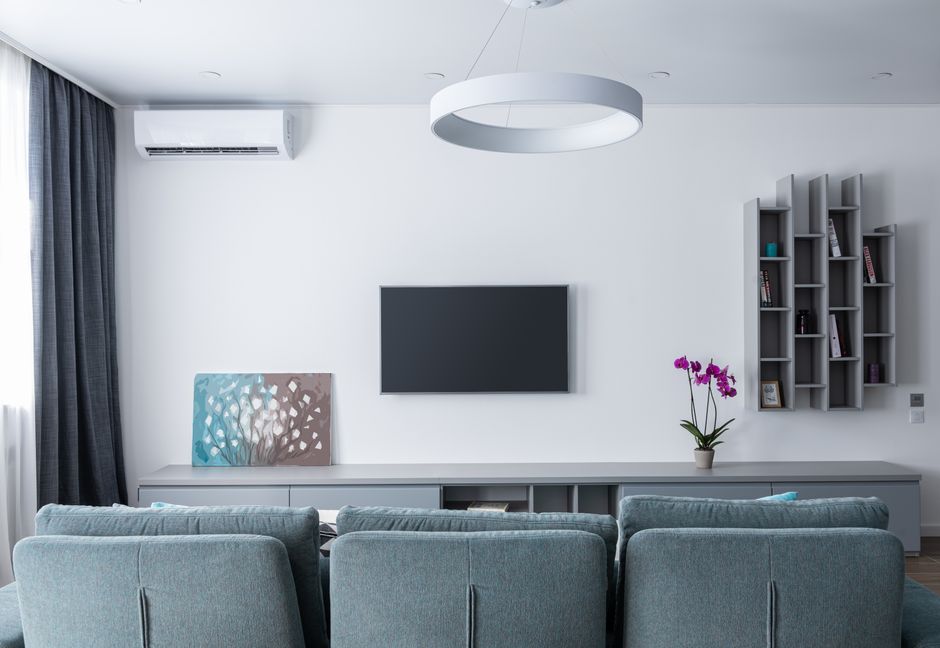
Price Check: Zone Air 3-Zone Wall-Mount Kits
Brand System Type Capacity (BTU) Price Range (USD) Zone Air 3-Zone Wall-Mount Kit 36,000 (3 × 12,000 heads) $4,100 - $5,600 MRCOOL 3-Zone Multi-Zone Kit Up to 36,000 $3,800 - $5,500 Pioneer Multi-Zone Kits Varies $3,500 - $5,000 (depending on capacity)Note that prices reflect the kit with indoor heads, outdoor condenser, pre-charged linesets, and remote controls. Additional installation materials like wall sleeves, electrical conduit, and fasteners are extra.
Your DIY Installation Toolbox Checklist
If you decide to take on your multi-zone heat pump project yourself, besides the outdoor unit clearance kit you’ll need these basic tools and materials:
- Drill with 3 inch hole saw or core bit: To run refrigerant lines through exterior walls cleanly.
- Level: To ensure your indoor wall-mounted heads are perfectly horizontal for optimal airflow and aesthetics.
- Screwdrivers, wrenches, and nut drivers: For mounting indoor heads and outdoor unit.
- Multimeter: To test electrical connections, breakers, and voltage.
- Electrical conduit, wire, and circuit breaker (if not already installed): To safely run power to the outdoor unit.
- Fasteners, wall anchors, and sealant: For installation stability and weatherproofing.
Remember, while refrigerant line connections may be sealed quick-connect type, you must still run lines carefully, avoid kinks, and cleanly seal wall holes to keep your home airtight.
Final Thoughts: Is Zone Air 36K 3-Zone SEER2 24 the Right Fit?
For a well-insulated 1,800 sq ft home splitting into three roughly equal zones, a 36,000 BTU multi-zone heat pump with three 12,000 BTU heads can be a balanced, reasonably priced solution. The pre-charged linesets and DIY-friendly approach make it accessible for homeowners comfortable with power tools and basic electrical work, but don't overlook the electrical permit and licensing realities surrounding 230V setups.
If your rooms vary significantly in size or function, consider customizing your indoor head BTUs rather than three equal 12,000 BTUs to optimize comfort and efficiency. In cold climates dipping below 5°F consistently, evaluate heating capacity derates carefully or look at dedicated cold-climate models from MRCOOL or Pioneer.
In all cases, planning and accurately sizing based on your home’s layout, insulation quality, and electrical infrastructure will spare you the headache of undersized equipment or surprise electrician bills. Done right, a Zone Air 3-zone 36K SEER2 24 system can keep your home comfortable, efficient, and well within your DIY weekend project scope.